When the Odds Move: Market Dynamics in Cycling Betting

When the Odds Move: Market Dynamics in Cycling Betting
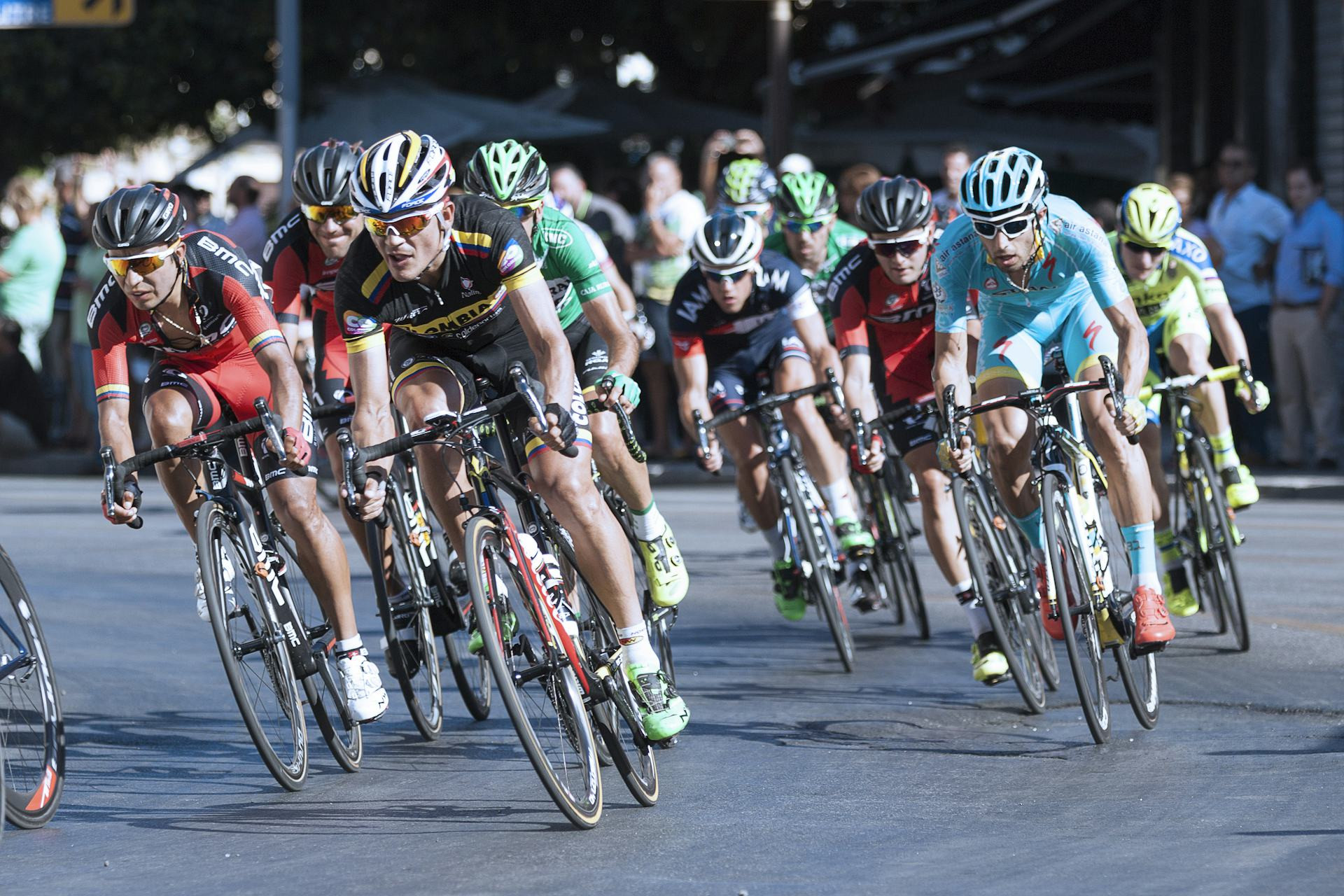
For fans who follow professional cycling closely—whether it’s the Tour de France, the Giro d’Italia, or the spring classics—it quickly becomes clear that betting odds rarely stay still. They rise and fall with every piece of news, every weather update, and every shift in rider form. For those interested in cycling betting, these movements are where the real dynamics—and opportunities—lie. But what actually makes the odds move, and how can we understand the logic behind the market?
When the Market Reacts—and Why It Happens
At its core, an odd is a reflection of probability. When sportsbooks set their opening lines, they rely on data, historical performance, and assessments of each rider’s condition. But the market is alive. When a large number of bettors start backing a particular rider, the odds adjust automatically to balance the book’s exposure. This means that odds don’t just reflect objective chances of victory—they also mirror the collective sentiment of the betting public.
Take an example: if a star like Tadej Pogačar announces he’s fully recovered from an injury, his odds might shorten dramatically—not necessarily because his winning chances have skyrocketed, but because bettors rush to back him. The market moves on both facts and emotions.
The Role of Information—from Insider News to Weather Forecasts
Cycling is a sport where countless variables can influence the outcome. A change in the route profile, a crosswind stage, or a rainy day in the mountains can all shift the balance. Serious bettors therefore track not only rider form but also weather forecasts, team tactics, and even subtle comments from sports directors.
In major races, even small details can move the market. A team manager hinting that a leader “isn’t feeling 100%” can cause odds to drift within minutes. It’s a vivid example of how information—and how it’s interpreted—becomes central to the dynamics of cycling betting.
Psychology and Market Momentum
Just like in stock trading, psychology plays a major role in betting markets. When a rider wins multiple stages in a row, a “momentum effect” often takes hold, with bettors piling in and driving the odds down—even if the true probability of another win hasn’t increased proportionally.
Conversely, an underrated rider who’s had a few unlucky days might suddenly be available at long odds—and that’s where patient bettors can find value. Understanding when the market is overreacting is one of the most valuable skills in cycling betting.
Live Betting—When the Race Changes Everything
With real-time data and live coverage now widely available, in-play betting has become a major part of cycling wagering culture. Here, odds shift constantly as the race unfolds—when riders attack, fall back, or form breakaways.
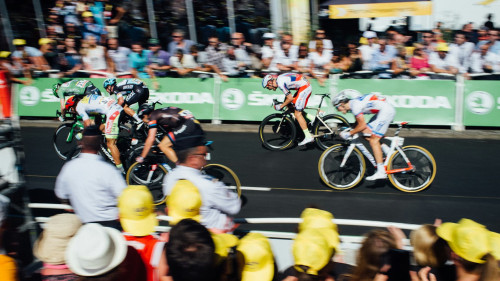
A breakaway with the right mix of riders can send the market into a frenzy. Bettors scramble to judge whether the group will stay away, while sportsbooks adjust their lines in seconds. It’s a fast-moving environment that demands both insight and quick decision-making—and for many, it’s the most thrilling part of the experience.
Læs også:

Data, Models, and the Modern Approach
Many serious bettors today use statistical models to identify value in the odds. By combining data on rider performance, route characteristics, and historical results, they look for discrepancies between the bookmaker’s assessment and their own calculated probabilities.
But even the best models can’t predict everything. Cycling is inherently unpredictable—crashes, mechanical issues, and team tactics all play huge roles. That’s why success in cycling betting isn’t just about numbers; it’s also about intuition and a deep understanding of the sport.
Market Dynamics as a Learning Experience
Watching how odds move in cycling can be fascinating, even for those who don’t wager large sums. It offers a window into how information, psychology, and statistics interact in a living market. For many, it’s this constant motion—the story told by the odds themselves—that makes cycling betting so engaging.
When the odds move, they tell a story: about rider form, public perception, and the ever-changing relationship between sport and market.
Læs også: