Cycling Betting Across Countries: Traditions and Differences Among Bookmakers


Cycling Betting Across Countries: Traditions and Differences Among Bookmakers
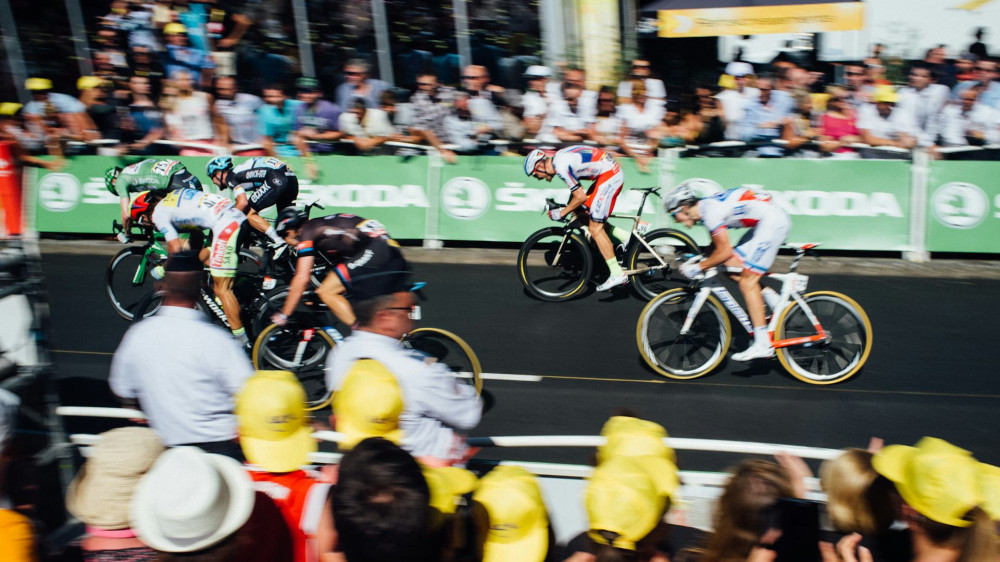
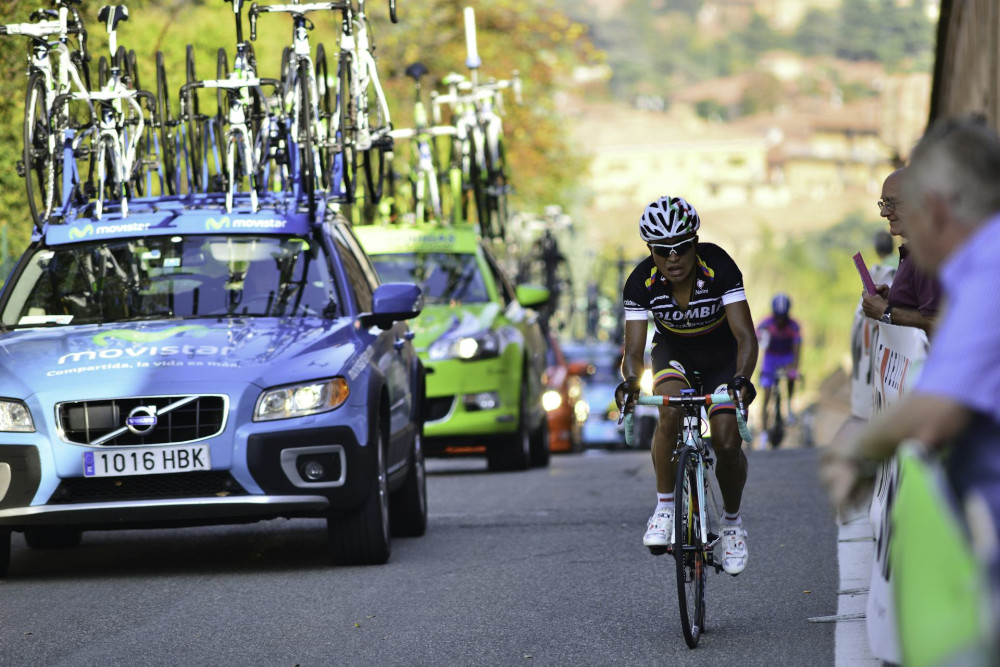
Cycling has long been one of Europe’s most storied sports — and with it comes a unique betting culture that varies widely from country to country. From the cafés of France during the Tour de France to the data-driven betting platforms of the UK, the way fans wager on cycling reflects local traditions, history, and attitudes toward both sport and gambling. But what truly sets bookmakers and bettors apart across borders?
A Sport of Strategy — and Many Ways to Bet
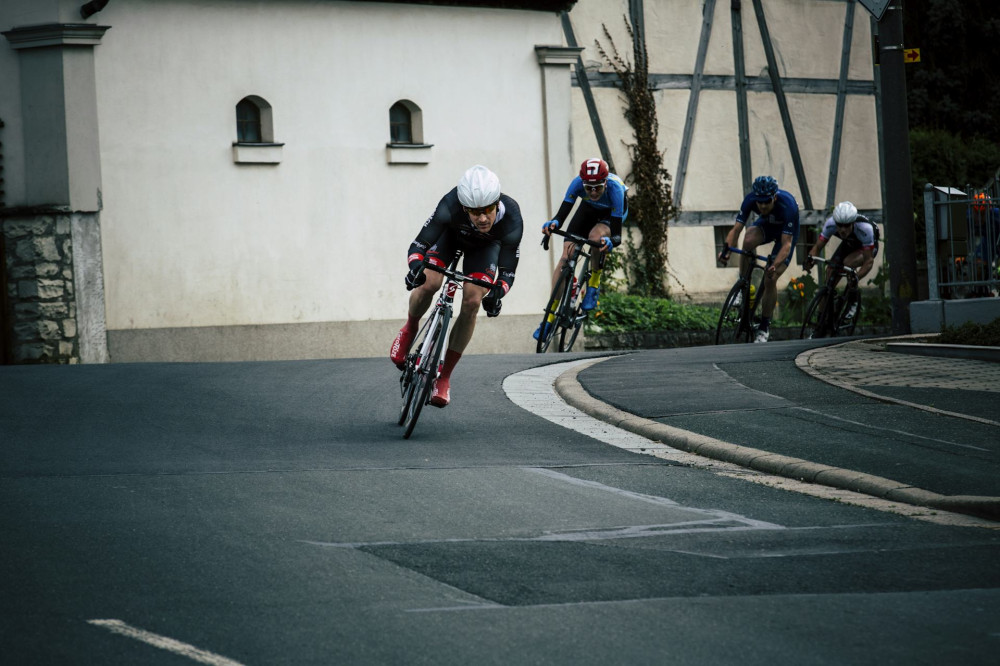
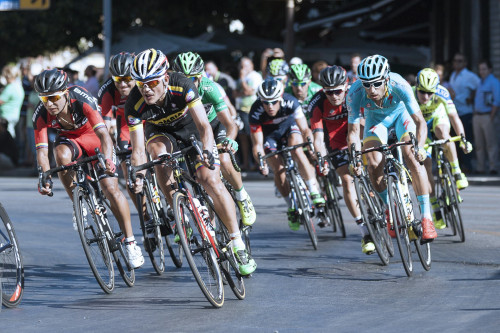
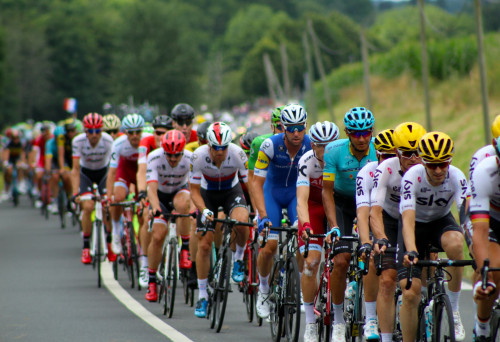
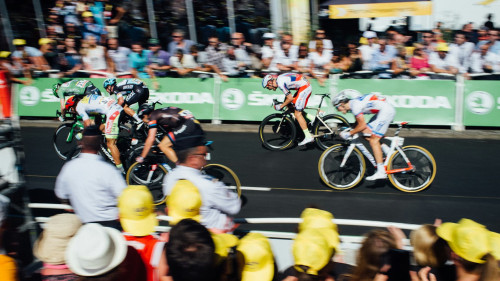
Betting on cycling isn’t just about picking the winner of a race. It’s about understanding team tactics, rider form, and the unpredictable nature of the sport itself. In countries like Belgium and France, where cycling is almost a national pastime, betting has long been part of the fan experience. Locals often place wagers on the spring classics like Paris–Roubaix or the Tour of Flanders, sometimes through small neighborhood bookmakers or even informal pools among friends.
In contrast, the UK and Northern Europe have embraced a more digital and analytical approach. Online platforms dominate, and bettors rely heavily on live odds, performance data, and predictive models. This reflects a more research-driven mindset, where statistics and trends often outweigh gut feeling or national loyalty.
Læs også:

How Bookmakers Differ Across Borders
Bookmakers in different countries have developed distinct approaches to cycling markets, shaped by local interests and betting habits.
- French bookmakers tend to focus on major stage races and homegrown heroes. They often feature special bets on French riders or specific Tour de France stages, appealing to patriotic fans.
- British bookmakers offer a broader international scope, covering everything from one-day races to the World Championships and Olympics. They’re known for deep markets, live betting options, and detailed analytics.
- Belgian bookmakers have a special affection for the cobbled classics and local races. Their markets often include lesser-known domestic riders who might not even appear on international betting sites.
- Scandinavian bookmakers have expanded their cycling offerings in recent years, often highlighting Nordic riders and integrating expert commentary, podcasts, and data tools to engage fans.
These differences go beyond the odds themselves. In some countries, betting is a social ritual — part of the shared excitement of race day — while in others, it’s a solitary, data-driven pursuit.
Traditions and Superstitions
Like the sport itself, cycling betting has its own folklore. In Belgium, there’s talk of the “local favorite curse” — the idea that betting on the hometown hero is bad luck because the pressure often proves too much. In France, many bettors believe in placing their wagers on the morning of the race to “feel the atmosphere” before committing.
In the UK and Northern Europe, the approach is more pragmatic. Bettors focus on finding value in the odds, studying rider power data, team strategies, and even weather forecasts to gain an edge. It’s less about superstition and more about precision.
Regulation and Responsibility
Regulation plays a major role in shaping national betting cultures. The UK, for example, has one of the most tightly regulated gambling markets in the world, emphasizing transparency and responsible gaming. France and Belgium also maintain strict oversight, though local rules and tax structures can differ significantly. In some countries, bonuses and payout systems are heavily restricted, while others allow more flexibility.
For bettors exploring international markets, understanding these legal and financial differences is essential — not just for compliance, but for making informed choices about where and how to play.
A Global Sport with Local Flavors
Cycling may be a global sport, but its betting traditions remain deeply local. They reflect not only differences in law and technology but also in culture and mindset. The French often bet with passion, the British with calculation, and the Belgians with a sense of community pride.
For American fans discovering cycling betting, exploring these international nuances can be as fascinating as the races themselves. It’s a reminder that behind every wager lies a story — one shaped by history, culture, and the enduring thrill of the open road.
Læs også: