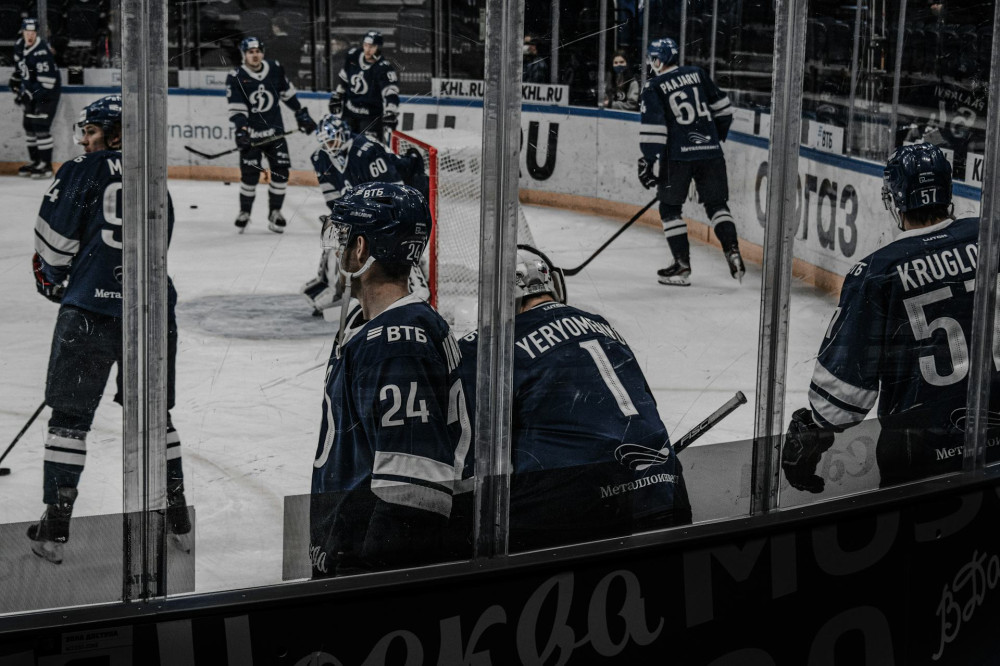
Over- and Underperformance: Identifying the NHL Teams Defying Expectations

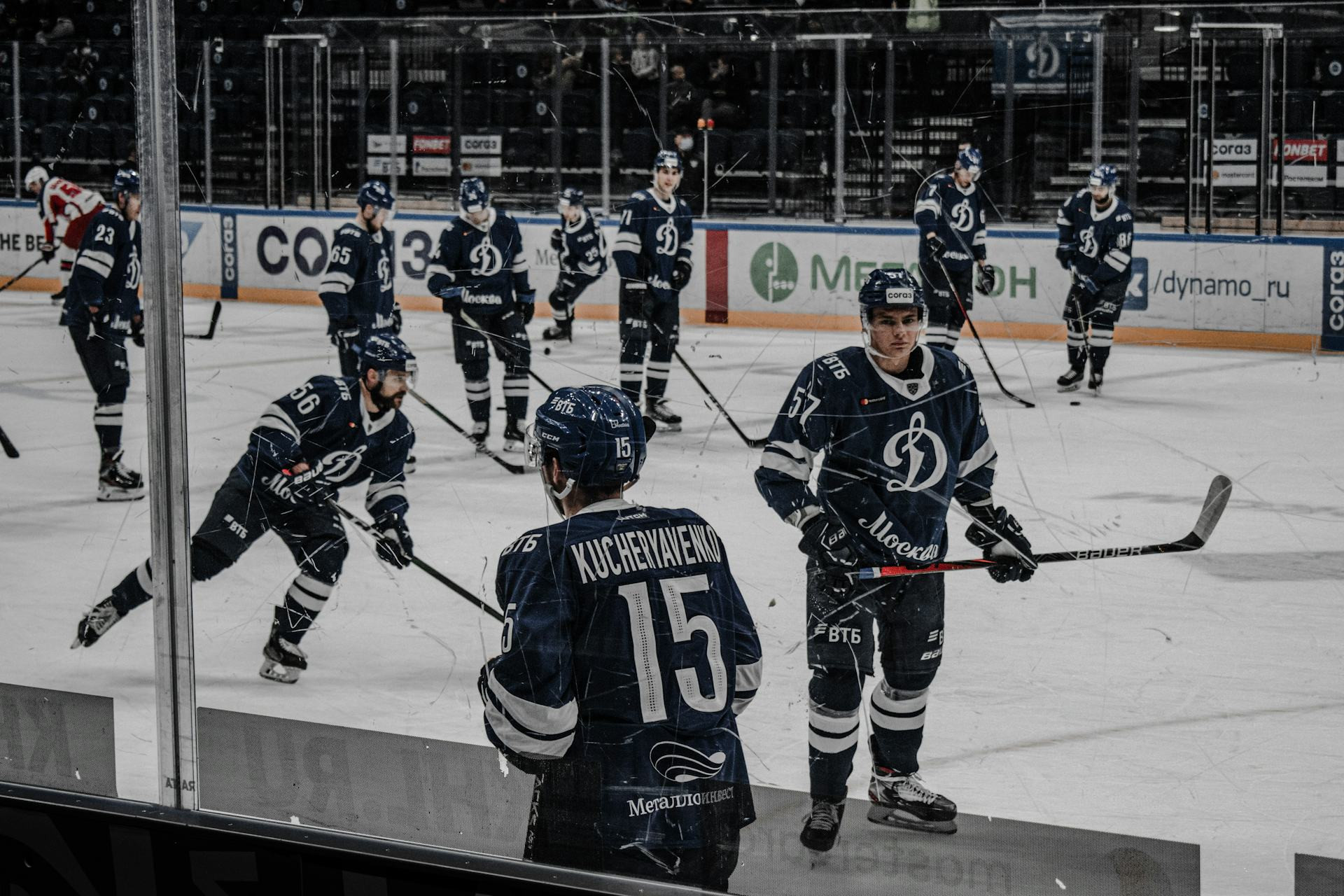
Over- and Underperformance: Identifying the NHL Teams Defying Expectations
Every NHL season brings its share of surprises. Some teams that were expected to struggle suddenly find a winning formula, while others loaded with star talent stumble out of the gate. For fans, analysts, and bettors alike, spotting these trends early can make all the difference. Here’s a closer look at how to identify over- and underperforming teams in the NHL—and why it’s rarely just about luck.
When Expectations Meet Reality
Before the puck drops on opening night, teams are evaluated based on roster strength, offseason moves, injuries, and past performance. Oddsmakers and analysts set projected point totals, but the reality on the ice often tells a different story. A team may overperform if it wins more games than its underlying numbers suggest—or underperform if its results don’t match the quality of its play.
A common example is a team that wins a lot of one-goal games. That can look like a sign of resilience, but often it’s a matter of bounces that even out over time. Conversely, a team losing many close contests might be closer to turning things around than the standings indicate.
The Stats That Reveal the Truth
To determine whether a team is truly over- or underperforming, analysts rely on a set of advanced metrics that go beyond wins and losses:
- Expected Goals (xG) – Measures how many goals a team should have scored or allowed based on the quality of its chances. A team with strong xG numbers but few goals might be unlucky—or simply lacking finishing touch.
- PDO – The sum of a team’s shooting percentage and save percentage. A number far above 100 often signals a hot streak driven by luck, while a low PDO can point to misfortune.
- Corsi and Fenwick – Indicators of puck possession and shot attempts. Teams that consistently dominate these stats usually have a solid foundation, even if the scoreboard doesn’t yet reflect it.
By combining these data points with game observations, one can get a clearer picture of which teams are genuinely strong and which are just riding a temporary wave.
This Season’s Surprise Stories
Every season produces its unexpected contenders. Sometimes it’s a young team finding chemistry ahead of schedule, or a franchise rejuvenated by a new coach and system. Teams with disciplined defensive structures and reliable goaltending often outperform expectations, as they can grind out wins in low-scoring games.
Depth also plays a major role. When third and fourth lines contribute offensively and defensemen support the attack, a team becomes less dependent on its stars—and more resilient to injuries and slumps.
When the Stars Don’t Shine
On the flip side are the teams that fall short of expectations. Injuries to key players, inconsistent goaltending, or lack of chemistry among top lines can all derail a promising season. Sometimes, the pressure of high expectations itself becomes a burden.
A telltale sign of underperformance is when a team’s underlying numbers are strong, but the results aren’t there. That can indicate poor finishing, defensive lapses at key moments, or simply bad luck. For bettors, such teams can represent hidden value—clubs that may soon see their fortunes turn.
Momentum and the Mental Game
While analytics tell much of the story, psychology matters too. A team riding a winning streak gains confidence and plays more freely, while a losing skid can create hesitation and doubt. A coach’s ability to manage the locker room mood often determines whether a streak—good or bad—becomes a lasting trend or a short-lived blip.
What Fans and Bettors Can Learn
Identifying over- and underperforming teams isn’t just about reading the standings. It requires looking beneath the surface to understand why results look the way they do. For fans, it deepens appreciation of the game’s nuances. For bettors, it can mean the difference between profit and loss.
Keep an eye on key metrics, injury reports, and schedule strength. A team that’s struggled through a tough road trip might surge once the calendar eases. Meanwhile, a club thriving on unsustainable shooting or goaltending numbers could be due for regression.
Læs også:


Conclusion: The Beauty of the Unexpected
The NHL’s charm lies in its unpredictability. Every year, new teams rise while others falter. By blending data, observation, and an understanding of the game’s rhythms, fans and analysts can better anticipate which teams will defy expectations—whether for better or worse.
Læs også: