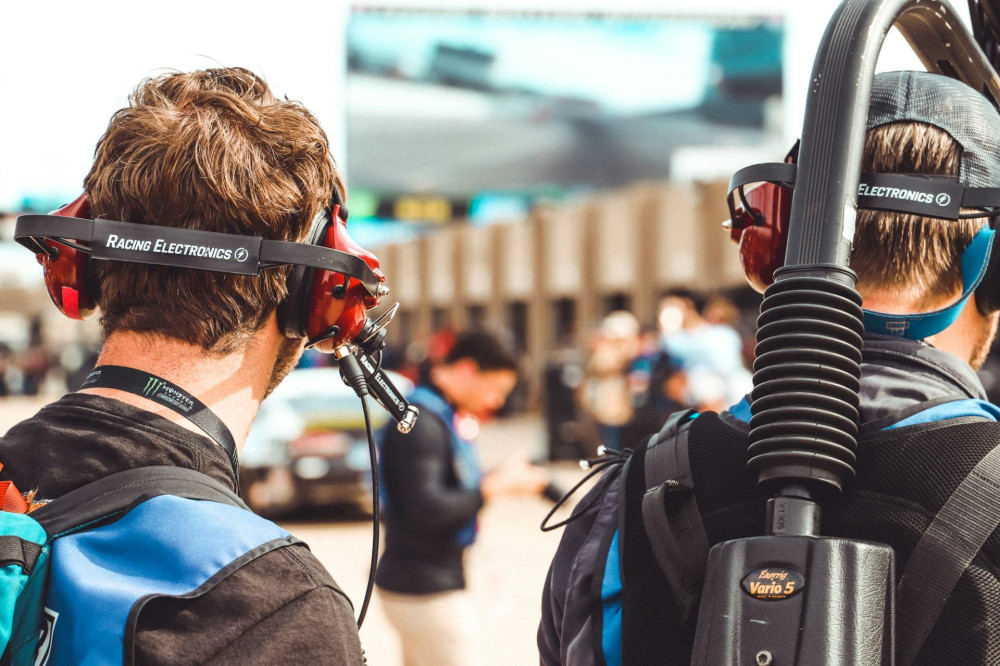
Injuries and Line Changes – Factors to Include in Your Hockey Analysis

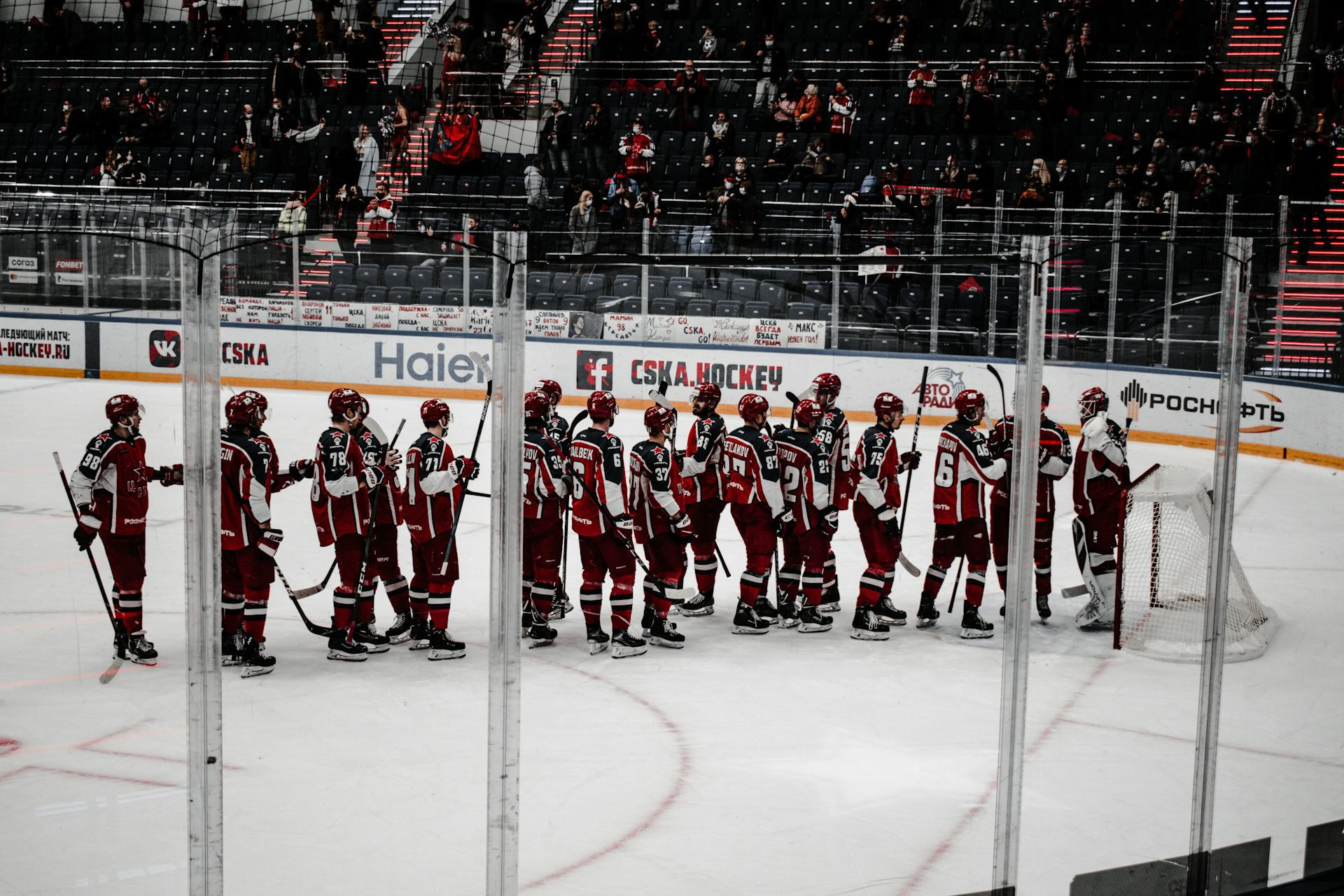
Injuries and Line Changes – Factors to Include in Your Hockey Analysis
When analyzing hockey games—whether you’re trying to understand team performance, forecast outcomes, or make informed betting decisions—it’s essential to look beyond the scoreboard and basic stats. Two of the most influential yet often overlooked factors are injuries and line changes. These elements can shift a team’s rhythm, affect morale, and ultimately determine who comes out on top. Here’s how to include them in your hockey analysis.
The Impact of Injuries – More Than Just Missing Players
An injury to a key player can have ripple effects far beyond a single absence. In a fast-paced sport like hockey, where line chemistry and timing are everything, losing one player can disrupt the entire system.
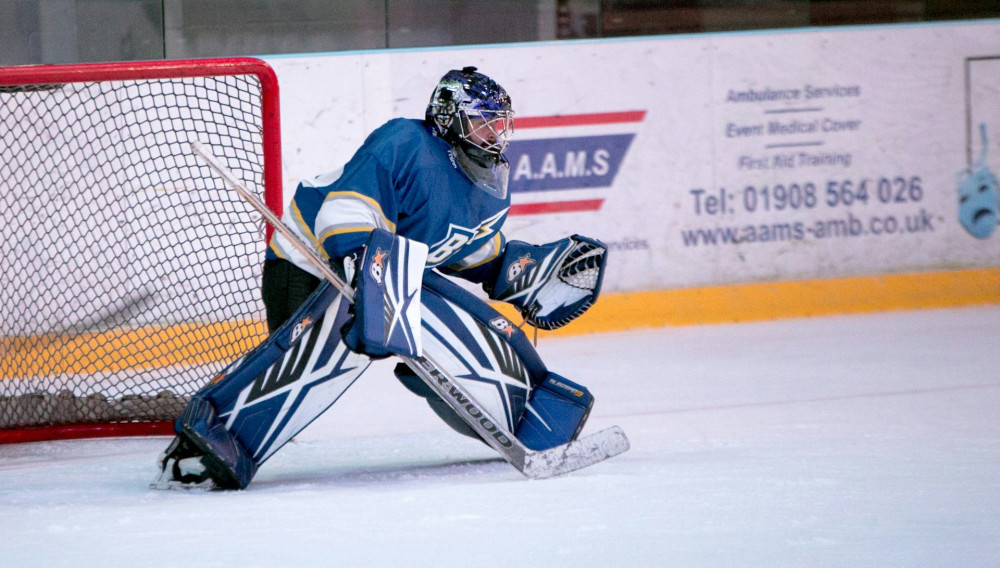
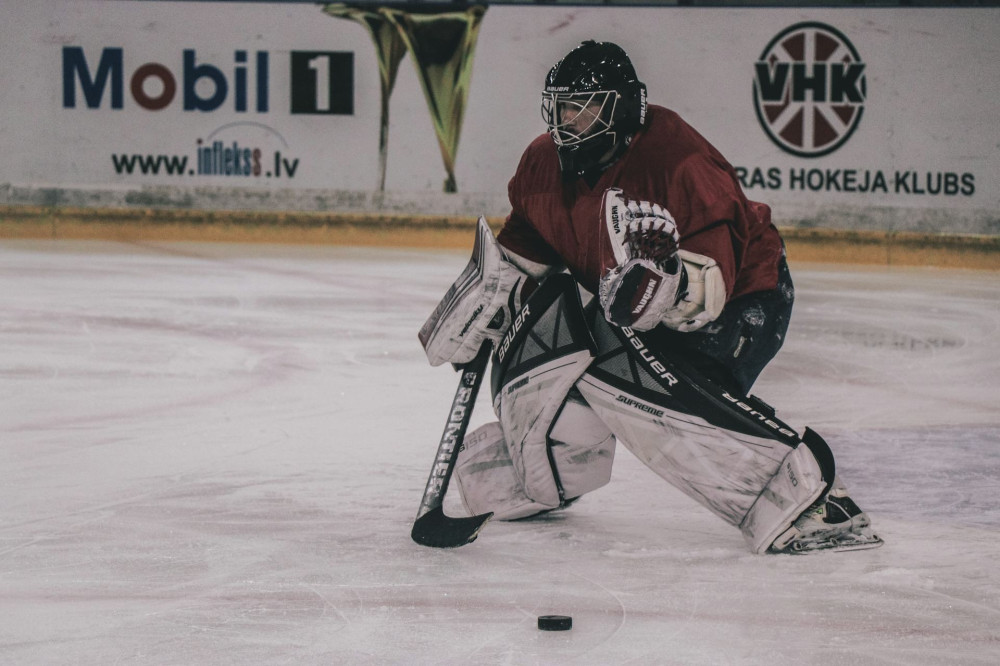
- Star players and key positions: A first-line center or starting goaltender going down can completely alter a team’s structure. Goaltenders are especially critical—if a backup has a lower save percentage, it can quickly translate into lost points.
- Line balance: When a player is out, coaches often have to shuffle lines. That can break up established chemistry and force players into unfamiliar roles.
- Team morale: Losing a captain or veteran leader can affect the locker room atmosphere. Teams often rally around adversity, but prolonged absences can wear down confidence and cohesion.
When evaluating injuries, don’t just note who’s missing—look at how the team has historically responded in similar situations. Some teams have the depth to adapt; others struggle to maintain consistency.
Line Changes – When Adjustments Shift the Game
Line changes, whether strategic or forced, almost always influence team performance. They can bring fresh energy or create temporary instability as players adjust to new combinations.
- New players in the lineup: A recently acquired forward might inject speed and creativity, but if he doesn’t fit the system, it can disrupt flow. Check how quickly that player has adapted to new teams in the past.
- Coaching changes: A new coach can overhaul tactics, line combinations, and even the team’s identity. Early on, that can lead to inconsistency, but over time it may unlock the roster’s full potential.
- Rotation and rest management: In the NHL’s demanding schedule, some coaches rest key players during back-to-back games. Short-term, that can affect results; long-term, it helps maintain energy for playoff pushes.
When assessing line changes, review how the team performs in the first few games after adjustments. Metrics like puck possession, shot attempts, and special teams efficiency (power play and penalty kill) can reveal whether the changes are paying off.
The Connection Between Injuries and Line Changes
Injuries and line changes often go hand in hand. A key injury might force a team to call up a prospect or trade for reinforcements. These transitions can introduce unpredictability—sometimes sparking surprising success, other times exposing weaknesses.
For example, a young player stepping into a top-line role might exceed expectations and energize the team. Conversely, inexperience under pressure can lead to costly mistakes. Timing matters too: early-season adjustments allow for experimentation, while late-season disruptions can be harder to overcome.
Data and Context – Making the Most of the Information
To strengthen your analysis, combine injury and lineup information with data and situational context:
- Monitor official injury reports – The NHL updates these frequently, often daily.
- Review historical performance – How has the team fared without certain players in the past?
- Consider the schedule – Teams facing dense travel or back-to-back games are more prone to fatigue and injuries.
- Evaluate the opponent – A team missing key players might still compete effectively if the opponent faces similar challenges.
By integrating these factors, you’ll gain a more complete picture of how a game might unfold—and spot value that isn’t always reflected in public perception or betting lines.
Læs også:
Conclusion – The Whole Picture Matters
Injuries and line changes aren’t just background details; they’re central to understanding hockey dynamics. They influence tactics, chemistry, and momentum. The best analysts don’t just track who’s on the ice—they study how teams respond when circumstances change.
By systematically including these factors in your analysis, you’ll deepen your understanding of the game and make more informed evaluations—whether you’re watching for enjoyment, strategy, or prediction.
Læs også: