Get to Know the Driver – Analyze Past Performances and Strengths


Get to Know the Driver – Analyze Past Performances and Strengths
When you’re betting on horse racing, it’s easy to focus on the horses — their form, pedigree, and post position. But one often overlooked factor can be just as decisive: the driver. A skilled driver can bring out a horse’s full potential, read the race tactically, and make split-second decisions that separate a win from a near miss. Getting to know the driver — and understanding their past performances — can give you a real edge when analyzing a race.
Why the Driver Matters
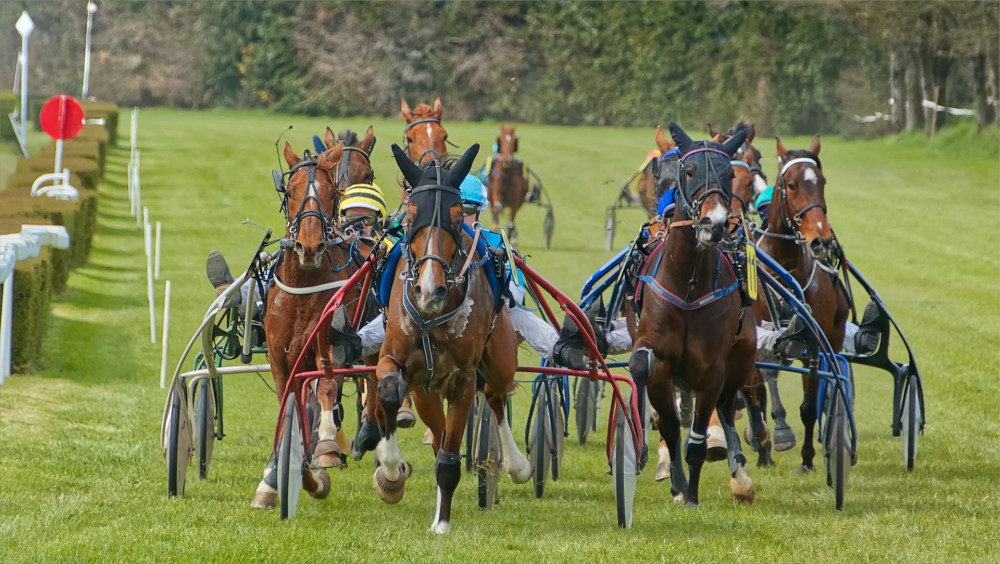
In harness racing, the partnership between horse and driver is crucial. The driver controls pace, position, and timing, and even small mistakes can be costly. An experienced driver knows when to push and when to hold back. It’s not just about technique — it’s about intuition and understanding the horse.
Some drivers are known for their aggressive style, taking the lead early and setting the pace, while others prefer to sit back and make a late move down the stretch. Recognizing these tendencies can help you predict how a race might unfold.
Analyze Past Performances
When evaluating a driver, it’s smart to look at statistics and history. Most racetracks and betting platforms in the U.S. publish detailed data that can serve as a solid foundation for your analysis.
- Win percentage – How often does the driver win relative to total starts? A high win rate shows consistency and the ability to capitalize on opportunities.
- Top-three finishes – Indicates how often the driver is in contention, even when not winning.
- Partnerships with specific trainers or horses – Some drivers have long-standing collaborations that clearly work well.
- Recent form – Like horses, drivers go through hot and cold streaks. Reviewing their latest races can reveal current momentum.
By combining these stats with your knowledge of the horse and race conditions, you can form a more complete picture of the likely outcome.
Know the Driver’s Strengths and Weaknesses
Every driver has their strengths. Some excel in short sprints where quick reactions and precision are key. Others shine in longer distances that demand patience and race awareness.
It’s also worth noting how a driver performs on different tracks and under varying conditions. Some thrive on fast summer tracks, while others handle sloppy or heavy surfaces better.
Another factor is how the driver performs under pressure. In major stakes races with big purses and media attention, nerves can play a role. Drivers with experience in high-profile events often have an advantage — they know the routine and can stay composed when it matters most.
The Connection Between Driver and Horse
Even the best driver can struggle if the chemistry with the horse isn’t there. That’s why it’s important to check whether the driver has raced with the horse before — and how that partnership turned out. A horse that responds well to a particular driver’s cues can perform far beyond expectations.
Some drivers are known for getting the best out of certain types of horses — for example, those that are high-strung and need a calm hand, or powerful horses that need motivation to give their all. Understanding these relationships can give you an edge when assessing the field.
Use Video and Race Replays
Statistics tell part of the story, but not all of it. Watching race replays or reading race summaries can give you insight into a driver’s decision-making during the heat of competition. How do they react when things don’t go as planned? Do they take risks or play it safe?
Video analysis can also reveal subtle details — how the driver positions the horse in the pack, or how they handle the final stretch. It’s often in these moments that the difference between a good and a great driver becomes clear.
Applying Driver Analysis to Your Betting Strategy
Once you’ve analyzed a driver’s past performances and strengths, you can use that knowledge to refine your betting strategy.
- Combine driver analysis with the horse’s form and post position.
- Note if the driver has multiple drives on the same race card — fatigue or focus can play a role.
- Check whether the driver has a strong record in the specific type of race you’re betting on (for example, mile races, half-mile tracks, or stakes events).
By integrating the driver’s profile into your overall evaluation, you’ll gain a more realistic view of the race — and a better foundation for placing a well-informed wager.
Læs også:



An Underrated Key to Success
Getting to know the driver isn’t just about numbers and stats — it’s about understanding the person behind the reins. Experience, intuition, and the bond with the horse play a much bigger role than many bettors realize.
Next time you study a race program, take a moment to look closely at the driver’s record. That insight might be the difference between a guess — and a smart, strategic choice.
Læs også: