Favorites and Underdogs: How the Media Shapes the Audience’s Perception of Winning Chances
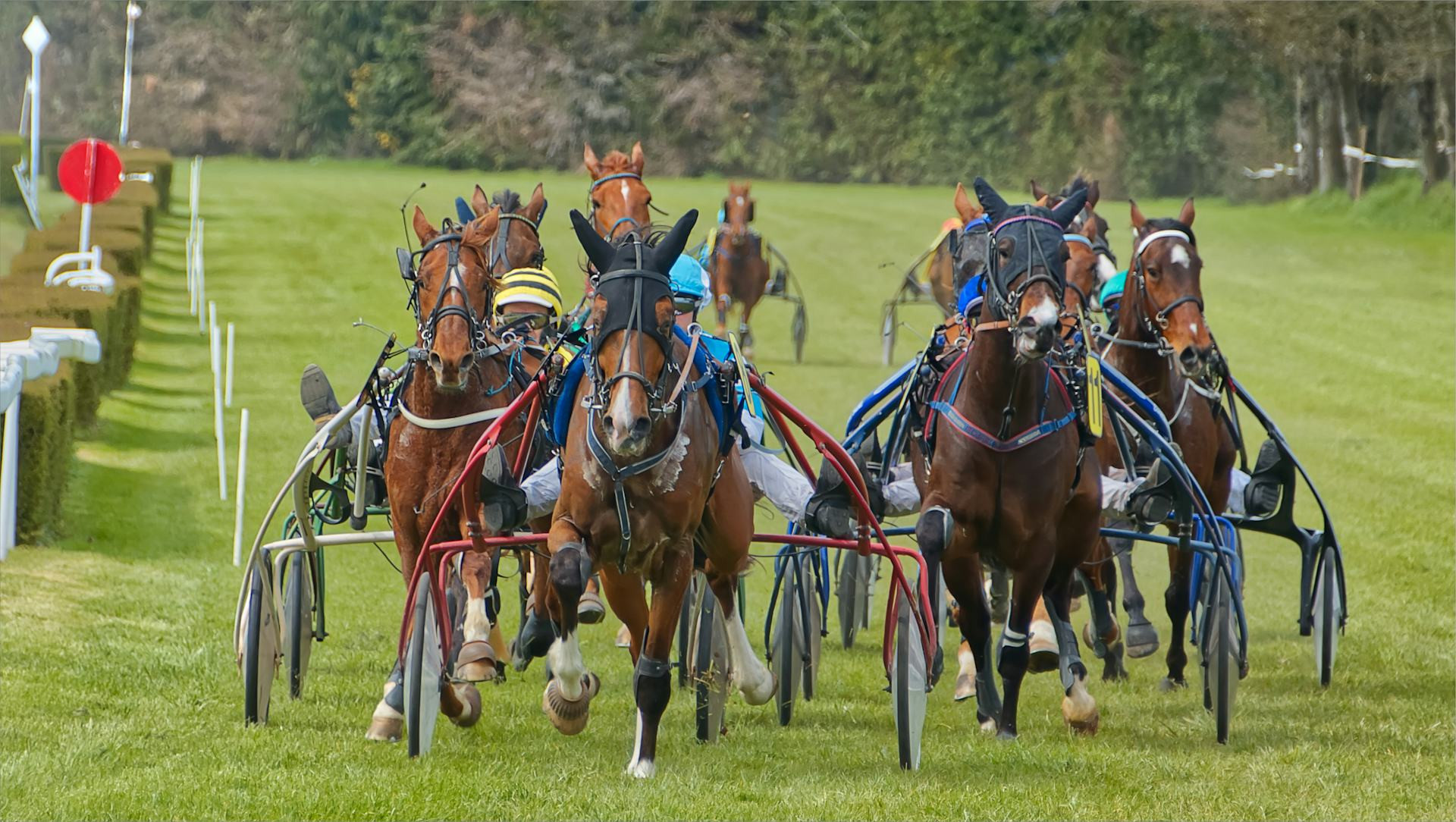
Favorites and Underdogs: How the Media Shapes the Audience’s Perception of Winning Chances
As major race days approach, the media buzzes with expert predictions, trainer interviews, and endless analysis. But how much does this constant coverage actually influence the public’s perception of who is most likely to win? And can media attention itself shift the odds—regardless of a horse’s true form?
This article explores how the media shapes the narrative around favorites and underdogs, and why that matters for both bettors and fans of the sport.
The Media as a Maker of Meaning
In modern horse racing, the media doesn’t just report results—it helps create expectations. When a horse is described as “in peak condition” or “ready for redemption,” it frames how audiences interpret its chances.
Sports journalists and commentators play a key role in deciding which stories get attention. A horse with a charismatic trainer or a compelling backstory often receives more coverage than a quieter, consistent competitor. As a result, media coverage becomes not just a reflection of reality, but a force that amplifies certain narratives over others.
The Favorite as a Storyline
Every sport loves a favorite. The favorite embodies anticipation, excitement, and often regional or national pride. When the media focuses on one horse as the clear frontrunner, it creates a collective storyline that many fans and bettors subconsciously buy into.
But the favorite isn’t always the statistically most likely winner. Sometimes, heavy media attention drives betting patterns more than data does. When “everyone’s talking about” a particular horse, the odds can tighten—not because the horse’s chances have improved, but because perception has shifted. This can distort the true picture of the race.
Læs også:

The Underdog Advantage
Then there’s the underdog—the horse that gets little attention but suddenly surprises everyone on race day. The media loves to celebrate these unexpected victories afterward, but underdogs rarely receive the same spotlight beforehand.
For experienced bettors, this imbalance can be an opportunity. They know that media hype can create value in the odds: the more attention a favorite gets, the more other contenders are overlooked. Understanding this media effect can be part of a smart betting strategy.
Social Media and the New Dynamics of Hype
In the past, sports journalists largely set the tone. Today, social media adds a new layer of influence. Trainers, jockeys, and fans share their own updates, videos, and opinions that can spread rapidly and shape public sentiment.
A short clip of a horse looking strong in training can spark a wave of optimism—or concern if something seems off. This kind of “micro-communication” means that perceptions of winning chances can shift within hours, driven by viral posts rather than official reports.
When Coverage Becomes a Self-Fulfilling Prophecy
Media attention can also affect the participants themselves. A trainer under intense scrutiny may feel added pressure, while a lesser-known stable might find motivation in proving the experts wrong.
In this way, media narratives influence not only perception but psychology. They can alter behavior, strategy, and confidence—and ultimately, they can even affect the outcome of the race.
A More Informed Audience
For fans and bettors, the key is to distinguish between fact and narrative. Statistics, past performance, and track conditions provide a more objective foundation than headlines and sound bites.
That doesn’t mean ignoring the media—on the contrary, coverage can offer valuable insights. But it takes critical thinking to recognize when a horse is a favorite because of form, and when it’s a favorite because of hype.
Conclusion: The Story Shapes the Field
The media is an inseparable part of modern horse racing. It fuels excitement, drama, and engagement—but it also shapes how the public perceives who can win.
Understanding this dynamic is part of the art of the game. Behind every favorite lies a story, and behind every underdog, a possibility that only the most attentive might see coming.
Læs også: