Market Movements: A Window into Collective Judgment in Motorsports Betting

Market Movements: A Window into Collective Judgment in Motorsports Betting
For fans of motorsports—whether it’s Formula 1, IndyCar, MotoGP, or NASCAR—the thrill often lies in speed, precision, and strategy. But for those who also follow the betting markets, there’s another layer of intrigue: the movement of odds. These shifting numbers, changing from day to day or even minute to minute, are more than just figures on a screen. They represent a collective judgment—a reflection of what thousands of people believe will happen. Understanding these market movements is like peering into the shared consciousness of fans, analysts, and insiders.
Odds as a Measure of Expectation
At its core, an odd is a numerical expression of probability. When a sportsbook sets odds on a driver to win a race, it’s based on data, historical performance, and expert evaluation. But the market is dynamic. When a surge of bettors starts backing a particular driver, the odds adjust—not necessarily because the driver’s true chances have changed, but because the market as a whole is signaling a shift in perception.
In this way, odds become a living measure of collective expectation. They move in response to news, weather forecasts, qualifying results, and even the mood on social media. Every adjustment tells a story about how the crowd interprets new information.
Læs også:


When the Market Reacts—and Overreacts
A classic example of market movement occurs when a favorite encounters technical trouble during practice. Suddenly, their odds lengthen, while competitors’ odds shorten. But markets can also overreact. A minor issue might trigger a major swing, as bettors rush to adjust their positions—sometimes driven more by emotion than logic.
Skilled bettors look for these moments. They search for instances when the market has moved too far in one direction, creating value in betting against the trend. This requires not only experience but also an understanding of how information spreads and how narratives form within the motorsports community.
Data, Intuition, and Collective Intelligence
Modern motorsports betting is no longer just about gut feeling. Data plays an increasingly central role. Telemetry, tire strategies, pit stop times, and weather models are all analyzed in detail. Yet even with all this information, the market is rarely perfect. The tension between data and human interpretation is what makes market movements so fascinating.
You can think of the betting market as a form of collective intelligence. Each participant contributes their own assessment, and the sum of all these judgments forms a picture of what “we,” as a collective, believe will happen. When odds shift, it’s a sign that this collective judgment is evolving—sometimes in response to new facts, and sometimes due to pure speculation.
The Unique Dynamics of Motorsports
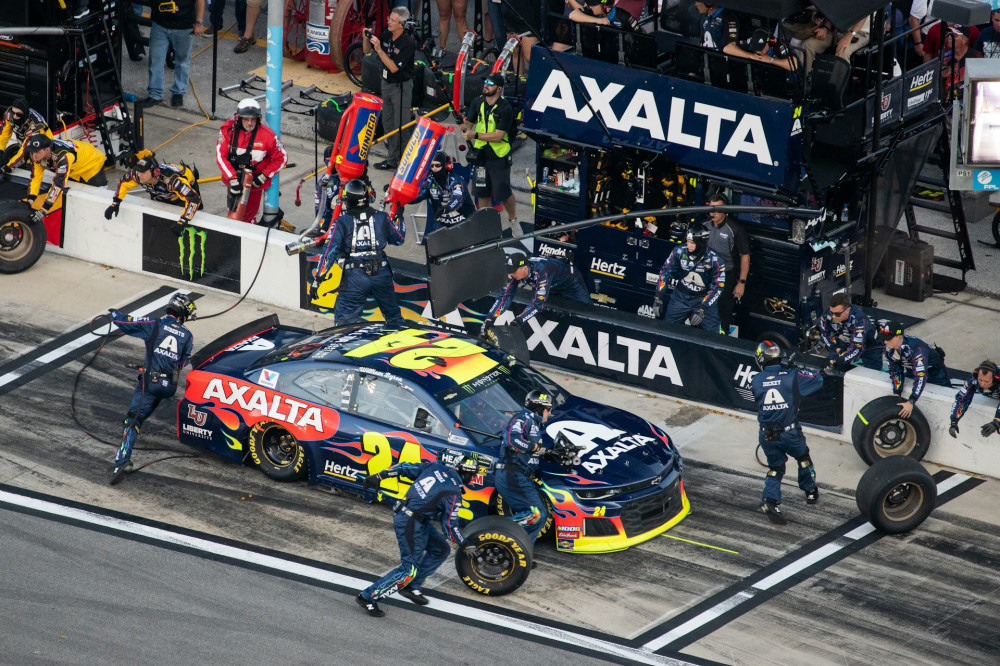
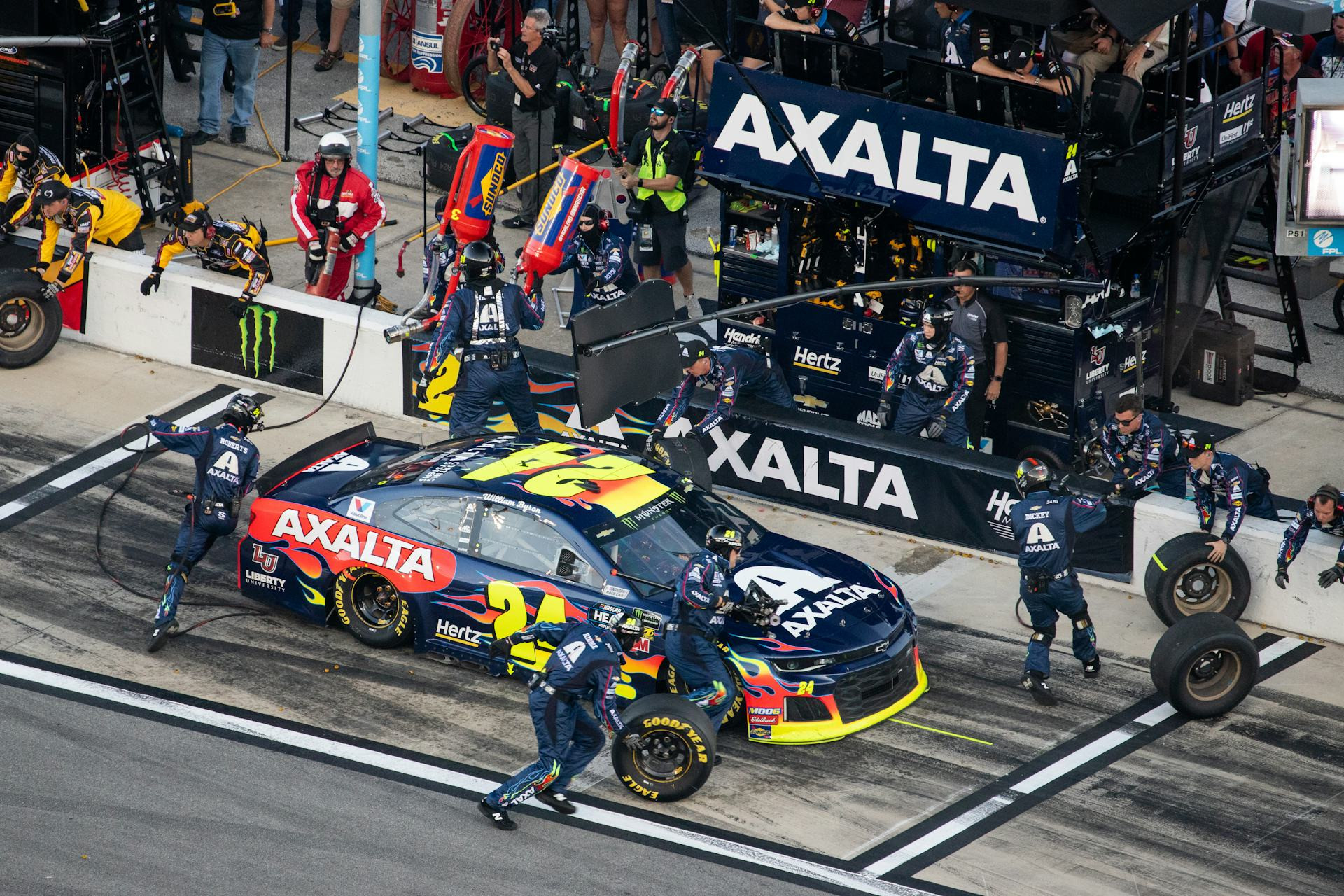
Unlike many other sports, motorsports are defined by complexity. A single pit stop error, a crash, or a sudden change in weather can completely alter the outcome. This makes the betting market more volatile and more sensitive to new information.
The technical nature of the sport also means that insider knowledge can have a significant impact. A rumor about a new car upgrade or a change in engine settings can move the odds long before any official confirmation. For the attentive observer, such movements can be a clue that the market has already “sniffed out” something before the media catches on.
Reading the Market as a Story
For many, betting is simply about winning or losing money. But for those who look closer, market movements tell a deeper story. They reveal how expectations form, how information circulates, and how collective emotions—optimism, fear, excitement—shape the numbers.
Following the odds throughout a race weekend can be almost as thrilling as watching the race itself. It’s a parallel narrative about how we, as a community, try to predict the unpredictable—and how the market, with all its imperfections and insights, becomes a mirror of our collective judgment.
Læs også: