From Pub Game to Professional Sport: The Evolution of Darts Rules Over Time

From Pub Game to Professional Sport: The Evolution of Darts Rules Over Time
Once a casual pastime played in smoky British pubs, darts has transformed into a global professional sport watched by millions. With televised tournaments, six-figure prize pools, and players treated like rock stars, the game’s journey from barroom entertainment to elite competition is remarkable. Central to that transformation has been the evolution and standardization of its rules.
From Barrels to Boards – The Game’s Early Form
The origins of darts trace back to medieval England, where soldiers practiced accuracy by throwing short arrows at the bottoms of wine barrels or cross-sections of tree trunks. The natural rings in the wood inspired the circular scoring areas that define the modern dartboard.
By the 19th century, darts had become a favorite pub game across Britain. Rules varied widely—some played to 301 points, others to 501, and the layout of the boards differed from town to town. It wasn’t until the early 20th century that efforts began to standardize the game.
Læs også:
Standardization and the Birth of Official Rules
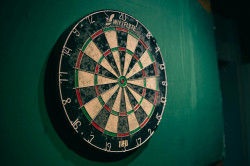
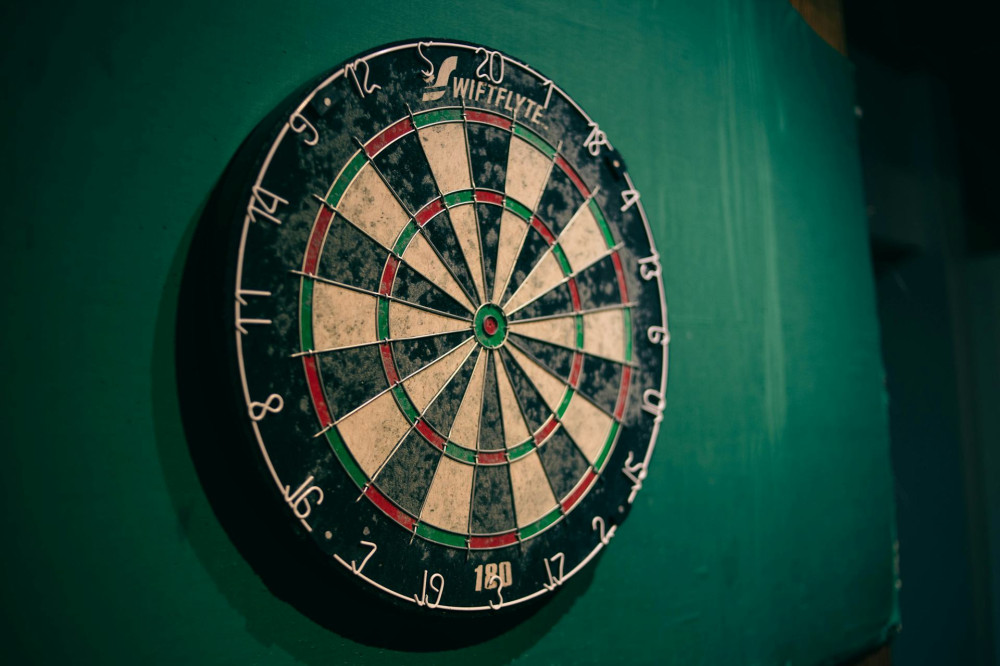
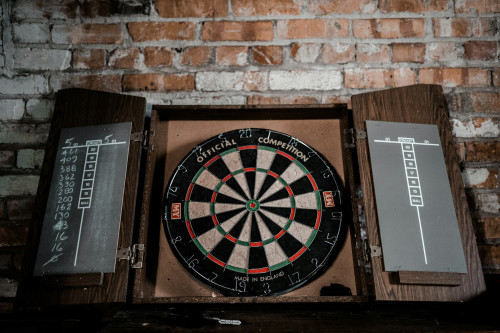
In 1896, English carpenter Brian Gamlin devised the number sequence still used on dartboards today—a clever arrangement that punishes inaccuracy and rewards precision. During the 1920s, darts was officially recognized in the United Kingdom as a game of skill rather than chance, paving the way for organized leagues and competitions.
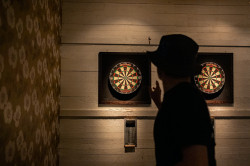
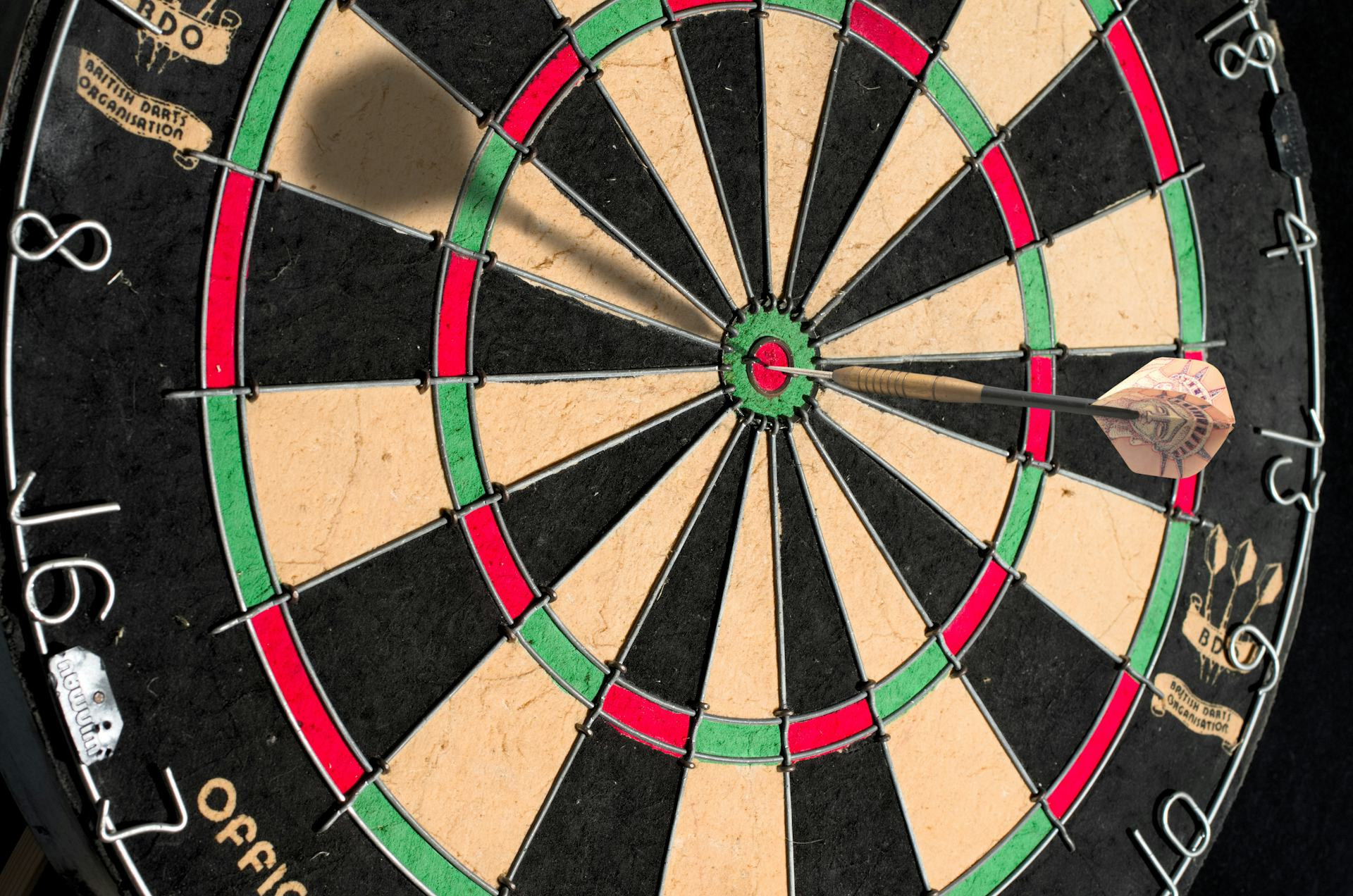
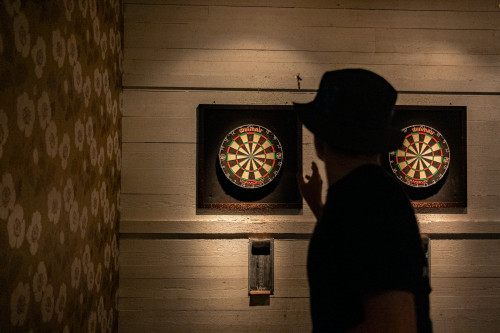
Local dart associations began to formalize the rules. They set the board height at 5 feet 8 inches (1.73 meters) from the floor to the bullseye and the throwing distance at 7 feet 9¼ inches (2.37 meters)—measurements that remain standard worldwide. The popular “501” format, where players must reach exactly zero to win, also became the foundation of competitive play.
From Pubs to Televised Arenas
The 1970s and 1980s marked darts’ leap from pub pastime to professional sport. Organizations like the British Darts Organisation (BDO) and later the Professional Darts Corporation (PDC) brought structure, sponsorship, and television coverage. Players such as Eric Bristow and Phil Taylor became household names, and the sport’s popularity spread far beyond the UK.
With professionalism came stricter regulations. Referees became a fixture at matches, and detailed rules governed everything from dart weight (a maximum of 50 grams) to board materials (sisal fiber, prized for its durability). The emphasis on fairness and consistency helped darts gain credibility as a legitimate sport.
Technology and Modern Precision
Today, darts is as much about data as it is about dexterity. Electronic boards and scoring systems are common in clubs and online tournaments, while professional players use high-speed cameras and analytics to refine their throws. Yet the essence of the game remains unchanged: precision, strategy, and nerves of steel.
The PDC has continued to adapt the rules to enhance the spectator experience. Shot clocks have been introduced in some events to prevent slow play, and digital scoring ensures accuracy in real time. These innovations have made the sport faster, fairer, and more engaging for global audiences.
Darts in the United States and Beyond
While darts’ roots are British, the game has found a strong following in the United States. American leagues and bars host thousands of players, and U.S. professionals now compete on the world stage. The rules remain consistent with international standards, allowing American players to transition seamlessly into global tournaments.
From Las Vegas to London, the same familiar board and scoring system unite players across continents. The sport’s accessibility—requiring only a board, a few darts, and a steady hand—has helped it thrive in both casual and competitive settings.
From Tradition to Global Competition
The evolution of darts rules reflects the sport’s broader journey—from informal pub pastime to a disciplined, data-driven competition. Standardized regulations have provided the foundation for fairness and global recognition, while technology and media have propelled the game into the modern era.
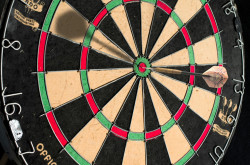
Yet despite all the changes, the heart of darts remains the same: three darts, one board, and the pursuit of perfection. Whether thrown in a neighborhood bar or under the bright lights of a world championship, the thrill of hitting that perfect 180 still captures the spirit of a game that has never lost its charm.
Læs også: