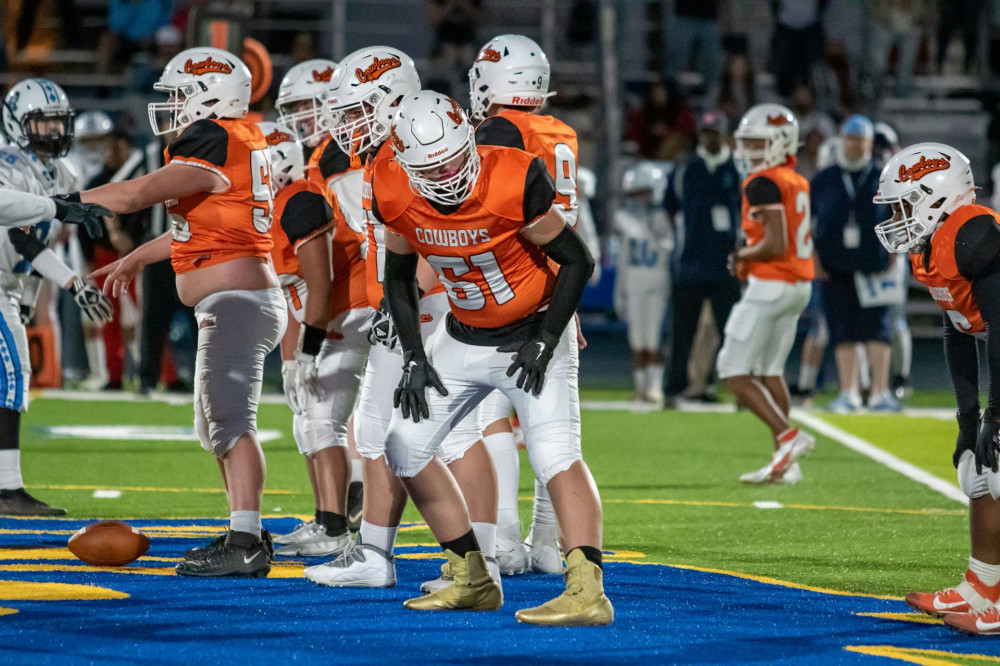
Expert Picks: How to Identify Patterns in Team Performance Over Time

Expert Picks: How to Identify Patterns in Team Performance Over Time
Understanding how a team performs over time isn’t just about counting wins and losses. It’s about spotting the underlying patterns — trends in play style, shifts in strategy, and how the team responds to adversity. For fans, analysts, and bettors alike, the ability to recognize these patterns can make the difference between a lucky guess and an informed prediction. Here’s a guide to analyzing team performance with a long-term perspective.
Look Beyond the Scoreboard
A final score only tells part of the story. A win can mask weaknesses, while a loss might hide real progress. That’s why it’s important to look at how a team plays — not just whether they win.
- Point differential – The gap between points scored and points allowed over time gives a clearer picture of a team’s true strength than its record alone.
- Efficiency metrics – How many yards, goals, or points does the team generate per possession or per game?
- Consistency – Large swings in performance from week to week can signal instability or underlying issues.
By tracking these numbers over several games or seasons, you can start to see patterns that single-game results can’t reveal.
Spot Trends in Style and Strategy
Teams evolve over time — because of coaching decisions, injuries, or player development. Watching how a team’s style changes can tell you a lot about where it’s headed.
- Offensive vs. defensive balance – Is the team leaning more on passing than running? Are they tightening up defensively?
- Tempo and pace – Are they playing faster than before, or trying to control the clock?
- Turnovers and special teams – Small details that often decide close games but are easy to overlook.
When you track these elements over time, you can see whether a team is improving strategically or just benefiting from short-term luck.
Læs også:




Put Performance in Context
A team’s record only makes sense when viewed in light of its competition. A string of wins against weak opponents says less than a close loss to a top-tier team. Context is everything.
- Strength of schedule – How tough have their opponents been on average?
- Home vs. away performance – Some teams thrive at home but struggle on the road.
- Travel and time zones – Especially in leagues like the NFL or NBA, long trips can affect energy and focus.
Factoring in these variables gives you a more realistic sense of how well a team is truly performing.
Use Data — But Don’t Ignore Intuition
Statistics are powerful, but they don’t tell the whole story. Sometimes, the human side of the game — a new coach, locker-room chemistry, or a player hitting peak form — makes all the difference.
Combine data analysis with observation. Watch the games, read postgame interviews, and pay attention to how the team handles pressure. This helps you see whether the numbers match what your eyes tell you — or if something deeper is going on.
Learn from the Past
Historical patterns can be surprisingly consistent. Some teams start strong and fade late, while others build momentum as the season progresses. Comparing multiple seasons can reveal recurring strengths or weaknesses.
For example, teams that consistently win close games may have strong leadership and composure. On the other hand, teams that repeatedly falter in crunch time might struggle with discipline or decision-making.
From Insight to Action
Once you’ve identified patterns, the next step is to use them. For fans, it deepens your understanding of the game. For bettors or fantasy players, it can provide a valuable analytical edge.
Keep your own notes, track developments week by week, and watch for moments when a pattern begins to shift. That’s often where the best opportunities lie — before the broader market catches on.
Conclusion: Patience and Perspective
Identifying patterns in team performance takes patience and attention to detail. It’s not about predicting the future with certainty, but about understanding the forces that shape a team’s journey. The better you become at spotting long-term trends, the more nuanced your understanding of the game — and the better prepared you’ll be to anticipate what might happen the next time your team takes the field.
Læs også: