Analysis in Esports: From Hobby to Professional Practice


Analysis in Esports: From Hobby to Professional Practice
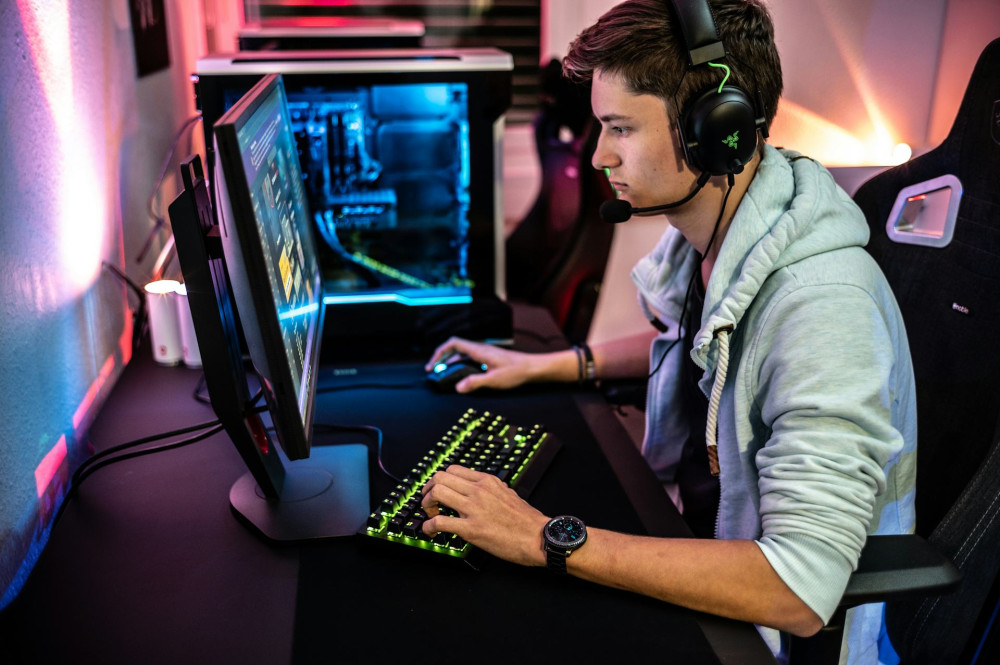
Not long ago, esports was often seen as a pastime for young gamers playing late into the night. Today, it has evolved into a global industry with millions of fans, professional players, coaches, and analysts. Behind the lightning-fast reflexes and high-stakes matches lies a world of data, strategy, and science. Analysis in esports has become a cornerstone of professional practice—and a key to success at the highest level.
From Intuition to Data
In the early days of competitive gaming, most decisions were based on intuition and experience. Players learned through countless hours of practice, relying on instinct to make split-second calls. That approach still matters, but the modern esports landscape looks very different. Professional teams now use advanced analytics tools that track everything from movement patterns and reaction times to in-game economy and decision-making.
Data is used to identify strengths and weaknesses—both within a team and in its opponents. In games like Counter-Strike 2, League of Legends, and Valorant, analysts review hundreds of rounds to uncover patterns that can be turned into tactical advantages. It’s no longer just about playing well; it’s about understanding the game on a deeper, data-driven level.
The Role of the Analyst
The esports analyst has become a permanent fixture in many professional organizations. The role closely resembles that of analysts in traditional sports. They collect data, produce reports, and work closely with coaches and players to optimize performance.
A typical day might involve reviewing an opponent’s recent matches, preparing strategic briefings, and presenting actionable insights to the team. The job requires technical expertise, deep game knowledge, and the ability to translate complex data into clear, practical recommendations that can make a difference in the heat of competition.
The Power of Technology
The rise of analytical tools has revolutionized esports. Platforms like Shadow, Mobalytics, and Leetify provide detailed insights into player behavior and performance. Artificial intelligence and machine learning are increasingly used to predict trends, simulate strategies, and even suggest real-time adjustments.
This technological progress means that even small changes can have a major impact. A slight shift in positioning, timing, or communication can determine the outcome of a match. As a result, analysis is no longer a side activity—it’s an integral part of training and preparation.
Mental and Strategic Dimensions
Analysis isn’t just about numbers and charts. The mental and psychological aspects of performance are equally important. Many teams now work with sports psychologists and performance coaches who use analytical data to understand how stress, communication, and decision-making affect gameplay.
By combining data with observations of team dynamics, organizations can take a more holistic approach. It’s about understanding why a player reacts a certain way—and how the team can support one another under pressure. This blend of analytics and psychology helps teams perform more consistently and adapt more effectively.
From Amateur to Professional
For many aspiring gamers, analysis has become a pathway into the professional scene. Online platforms now offer tools that allow players to track their progress, compare themselves to others, and learn from their mistakes. This makes it possible to train more efficiently and understand what it takes to reach the next level.
At the same time, the growing professionalization of esports has created new career opportunities. Where once the dream was limited to becoming a player, today one can work as an analyst, coach, data specialist, or strategic consultant. Esports has become a full-fledged industry—and analysis is its scientific foundation.
Læs også:


The Future of Esports Analysis
The future points toward even greater integration of technology, psychology, and strategy. With the increasing use of real-time data and AI, analysis will become more adaptive, allowing teams to make data-informed decisions during matches. This evolution will demand new skills from players and coaches alike—but it will also deepen our understanding of the game’s complexity.
Esports is moving beyond its roots as a hobby and into a mature professional practice where analysis, collaboration, and innovation are as vital as mechanical skill. In this new era, the difference between a good team and a world-class one often comes down to the quality of its analysis.
Læs også: